Medical
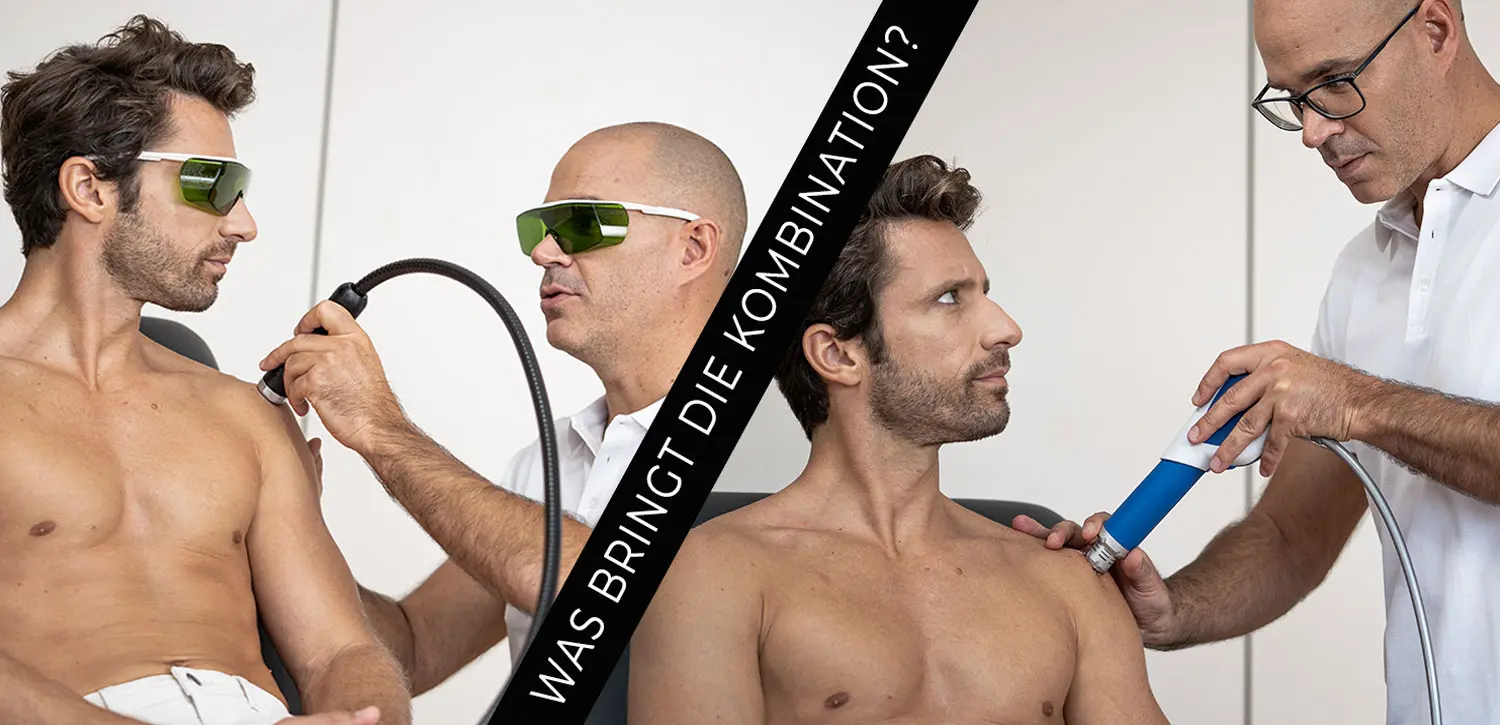
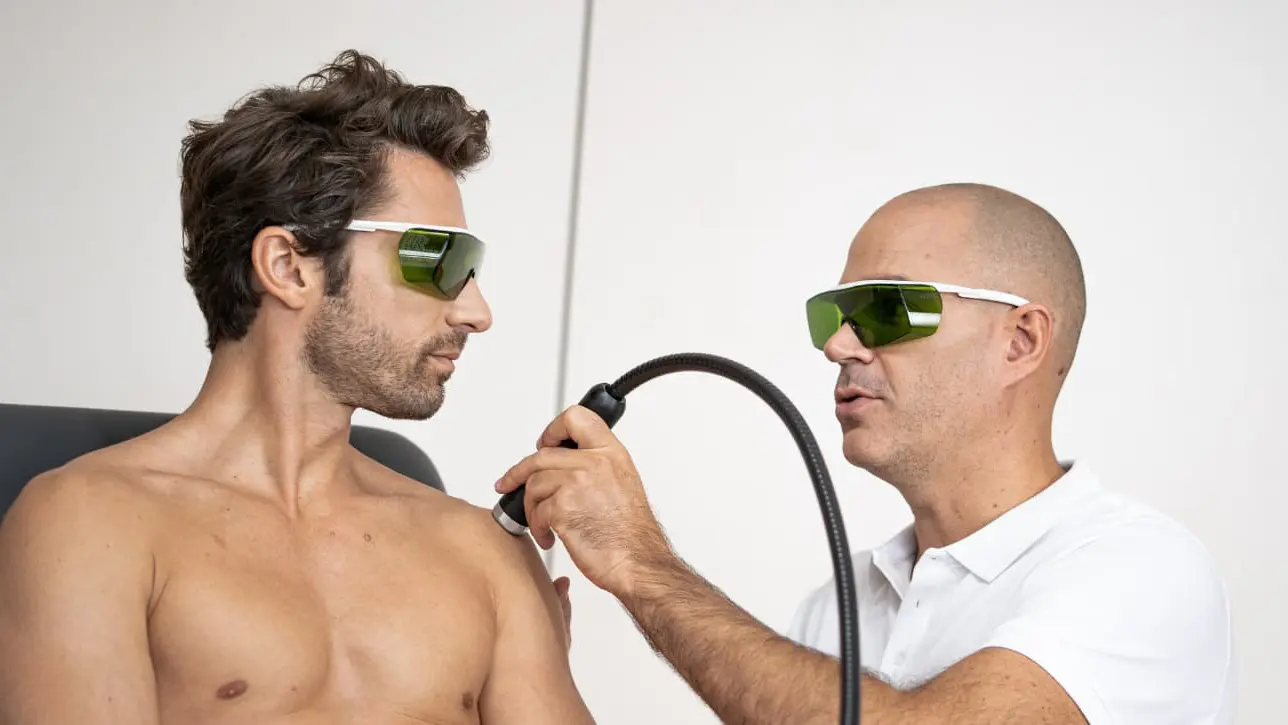
Not every patient needs the same laser pulse – THEAL adapts the wavelength, emission, and energy to the treatment situation.

Laser therapy is often controlled by a few fixed parameters.
A wavelength. An emission mode. A standard dose for a specific complaint.
But patients are different.
Age, skin type, tissue, body region, stage of pathology, and pain sensitivity can vary significantly.
THEAL was developed specifically for this variability.
Instead of basing every treatment on the same laser stimulus, the therapist can Wavelengths, emission type, energy and thermal reaction adjust accordingly to the specific situation.
The manufacturer describes this idea itself as a departure from highly standardized rehabilitation therapies towards more choice for the user.
This changes the crucial question:
No: Which standard program should I choose?
But rather:
Which laser treatment is appropriate for this patient and this treatment situation?
THEAL stands for:
Temperature-controlled High Energy Adjustable multi-mode emission Laser.
The technology combines high-energy laser therapy with multiple levels of personalization.
Wavelength mix
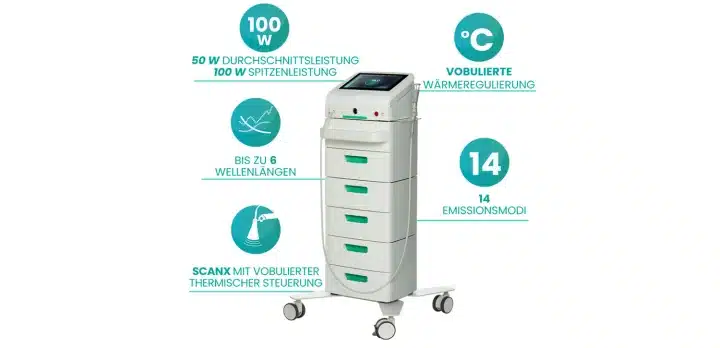
Depending on the system, up to six different wavelengths can be combined.
Different wavelengths possess different optical properties and absorption profiles in the tissue. THEAL allows the therapist to selectively combine these characteristics within a single application.
Multi-Mode Emission
Bis zu 14 different emission modes various continuous, pulsed, and specially modulated laser pulses are possible.
This can not only change the wavelength, but also the temporal characteristics of the energy output.
Thermal tissue control
The temperature of the treated tissue is monitored during the applications.
This gives the therapist additional information about the thermal reaction and allows him to control the energy output in a controlled manner.
Adaptive therapy
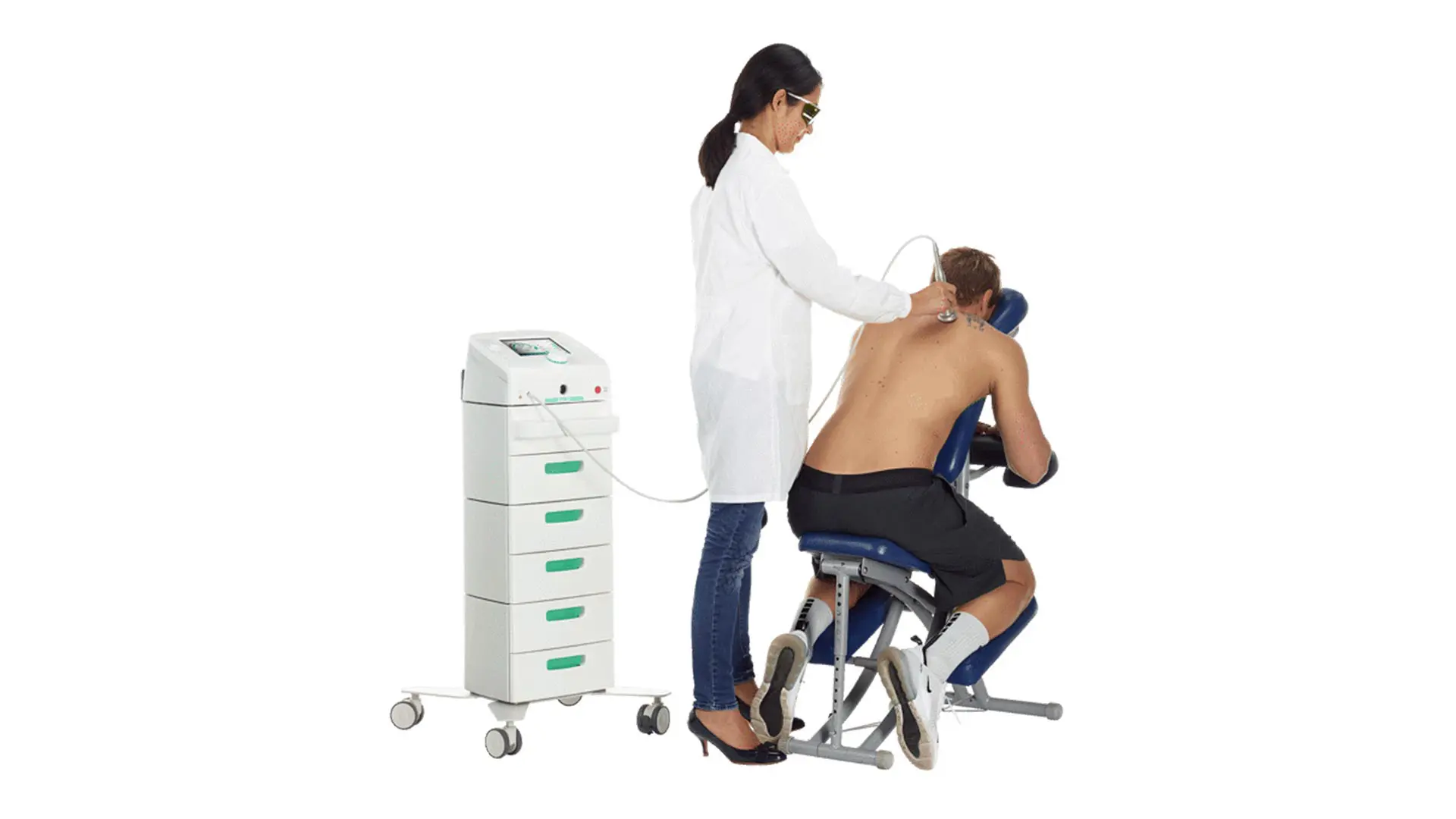
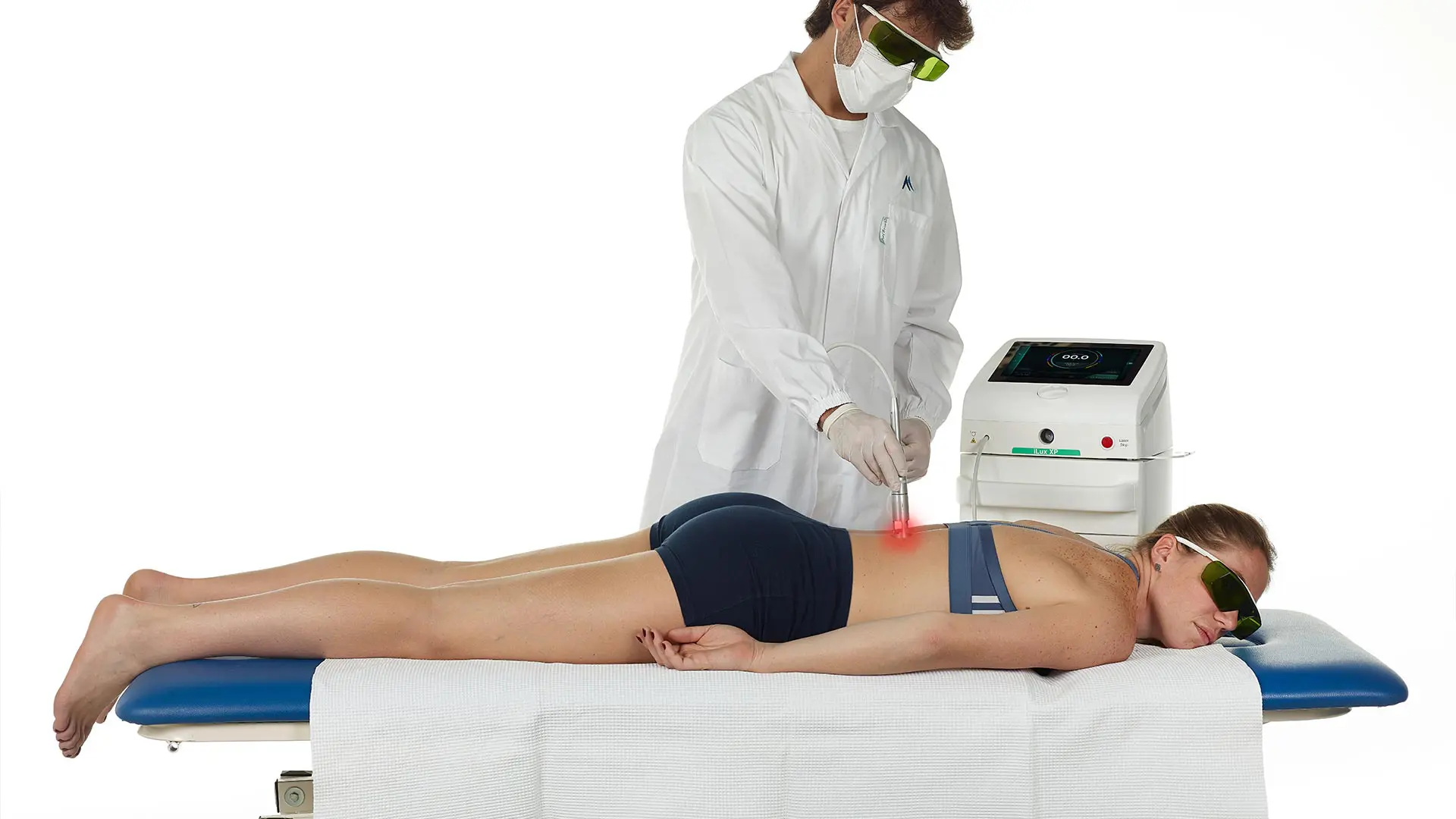
With the current Ixyon XP, parameters such as Phototype, age, tissue type, treatment goal and other patient characteristics to be included in the therapy planning.
THEAL therefore does not work with a „perfect laser program“ – but with a platform that can be adapted.
➜ Photobiomodulation: Laser light has been studied in connection with photobiomodulation for decades. Among other things, interactions between light and cellular chromophores and the resulting biological reactions are the focus of this research.
➜ Wellenlänge & Gewebeinteraktion: Different wavelengths have different absorption and penetration properties. That is precisely why the ability to combine multiple wavelengths is a central component of THEAL technology. The manufacturer currently allows for up to six combinations of wavelengths.
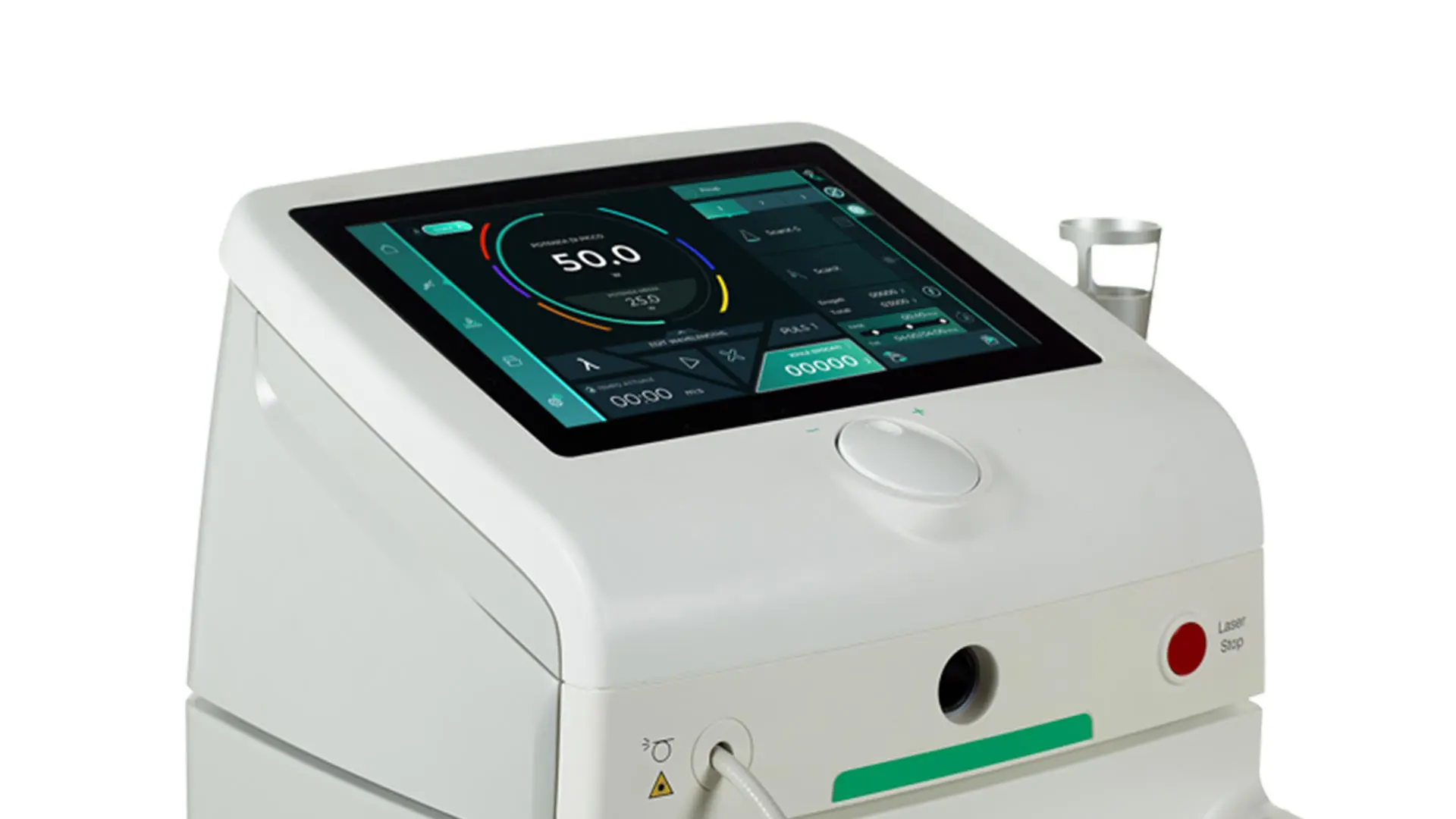
➜ Emission characteristics: In addition to wavelength and energy, the temporal structure of the laser emission also plays a role. The current Ixyon XP offers 14 emission modes as well as the Lambda Wave Creator for the individual combination and storage of wavelengths and emission patterns.
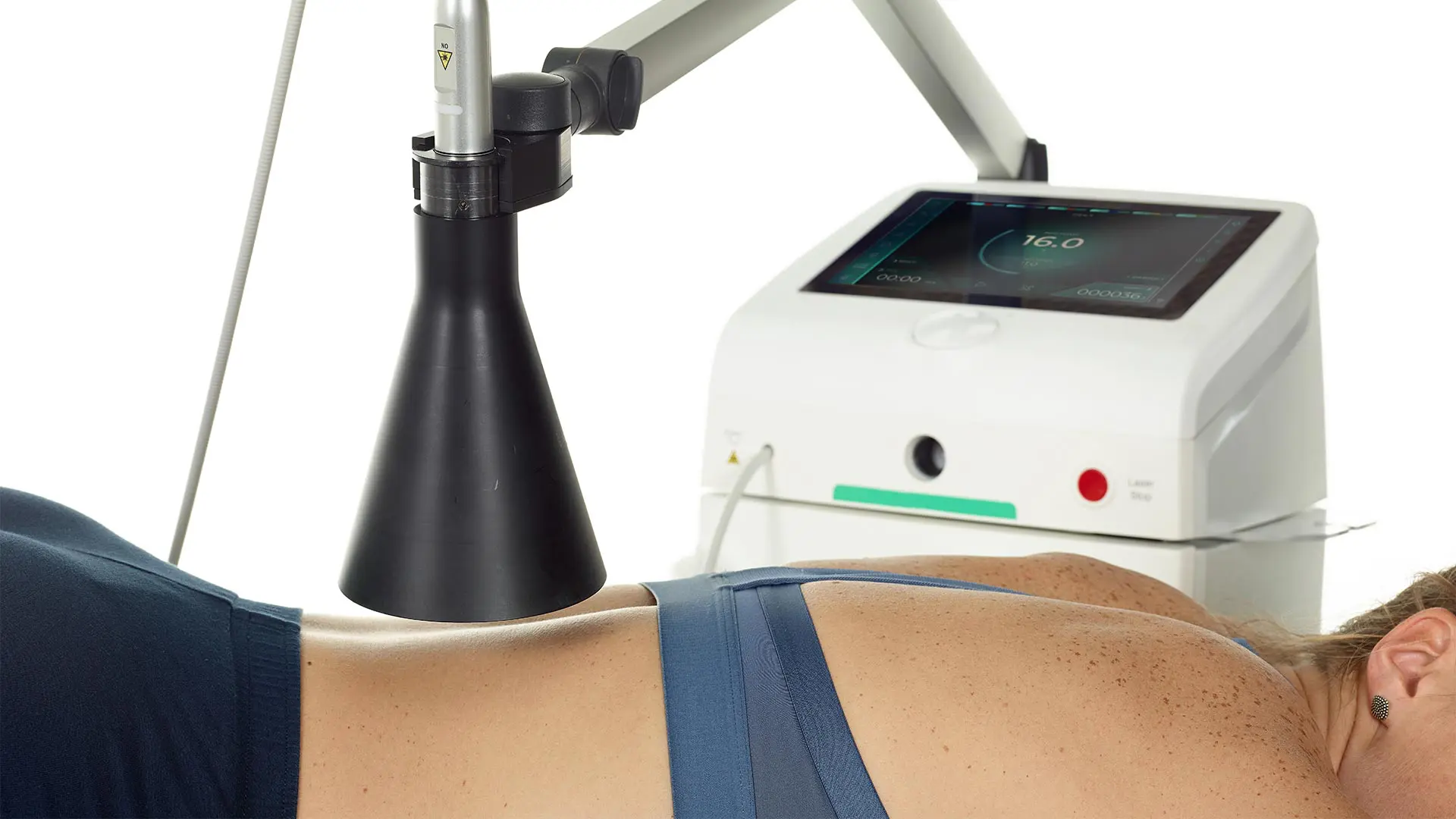
➜ Thermal control: THEAL complements optical dosing with the monitoring of tissue temperature. Especially in high-energy laser applications, the controlled thermal response is a relevant component of the application.
The manufacturer describes THEAL, among other things, for Musculoskeletal pathologies, muscle and tendon injuries, neuropathic complaints, edema, as well as selected wound and scar applications. The specific application always depends on approval, indication, and professional assessment.
What matters is not the maximum possible laser energy – but the appropriate optical and thermal dose for the respective treatment.
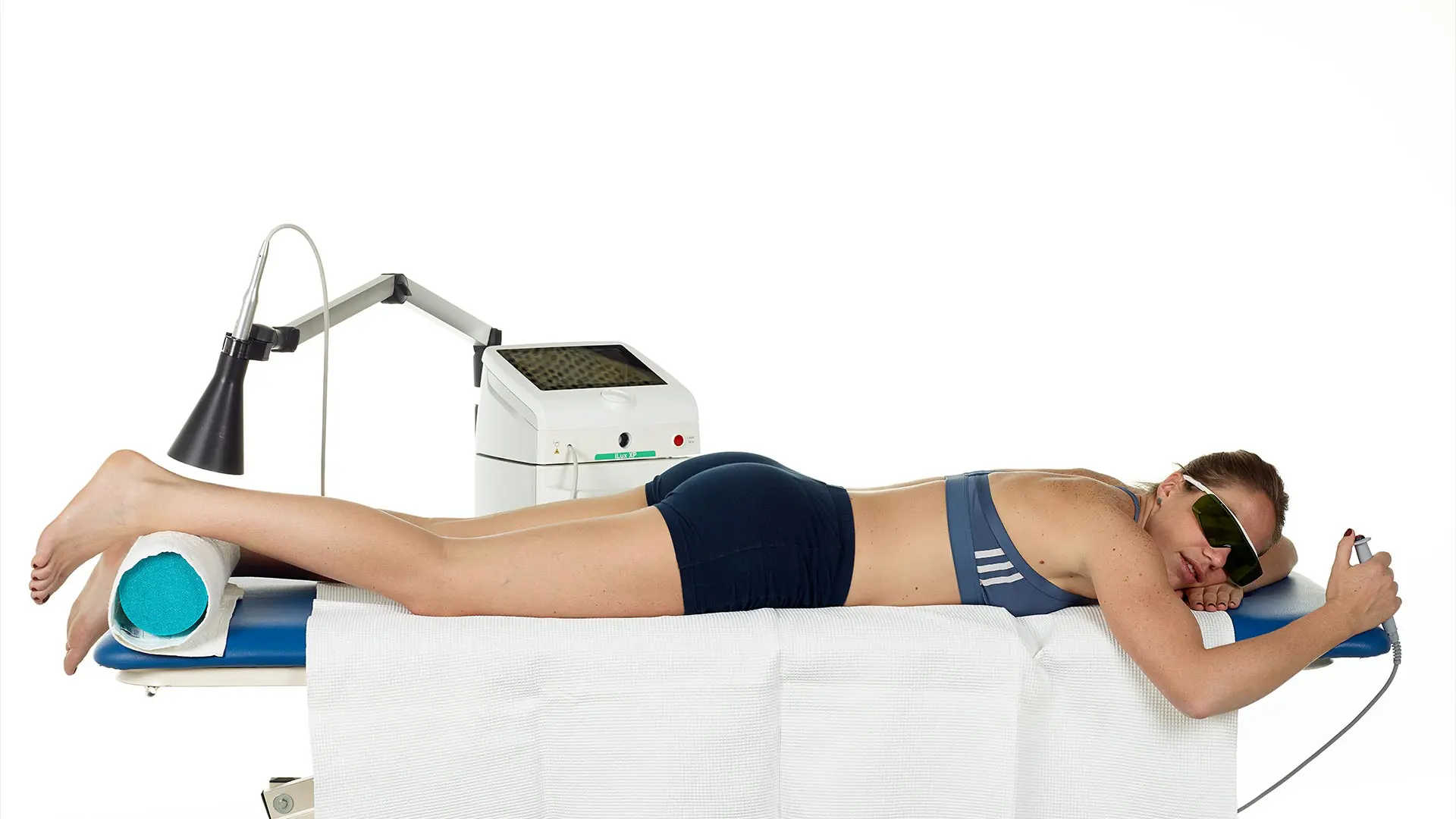
THEAL Therapy in Detail
Which Avantopool system fits best depends on, what, how often, and for what purpose it should be used.
Discover models, use cases, and technical details summarized compactly in our exclusive product PDF.
➜ Simply fill out the contact form and receive product information for free.
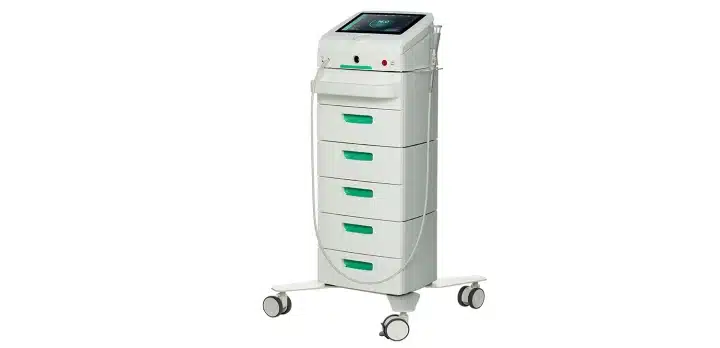
Adaptive high-energy laser therapy for physiotherapy, rehabilitation, orthopedics, and sports medicine. Up to six combinable wavelengths, 14 emission modes, and thermal tissue control enable individually adjustable applications with high therapeutic precision and flexibility.
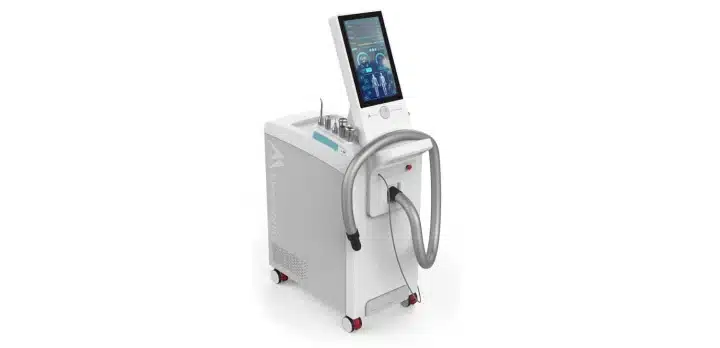
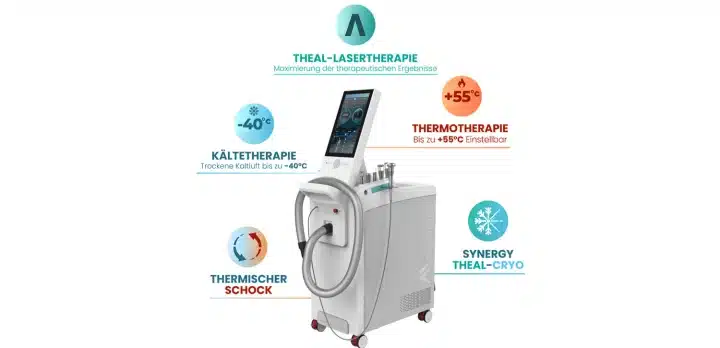
Multimodal therapy platform for physiotherapy, rehabilitation, orthopedics and sports medicine. High-energy lasers, dry cold, heat, thermoshock and THEAL-CRYO synergy combine in a system to provide precise, individually adjustable applications with high therapeutic flexibility.
Note: The applications mentioned are based on study results and manufacturer information. For a medical indication, please consult a specialist.
After several episodes of spasticity, I have been experiencing recurring pain due to muscle stiffness and inflammation. The Incrediwear shirt provides me with the necessary relaxation at night, which allows me to have fewer pain-related interruptions and to sleep better. For me, it is truly a very good support.
After several episodes of spasticity, I have been experiencing recurring pain due to muscle stiffness and inflammation. The Incrediwear shirt provides me with the necessary relaxation at night, which allows me to have fewer pain-related interruptions and to sleep better. For me, it is truly a very good support.

As early as the morning after the training, I was able to apply the knowledge I had learned directly to a patient. After pain in the area of the M. tibialis anterior that had lasted for about 11 weeks, the symptoms were almost completely gone after undergoing treatment with radial shock wave therapy.
Thank you again for an excellent training day – very informative, hands-on, and at the same time really enjoyable.
As early as the morning after the training, I was able to put the knowledge I had acquired to immediate use on a patient. After pain in the area of the M. tibialis anterior that had persisted for about 11 weeks, the symptoms were almost completely gone after undergoing treatment with radial shock wave therapy. Many thanks again for an excellent training day – very informative, practically applicable, and at the same time really pleasant.
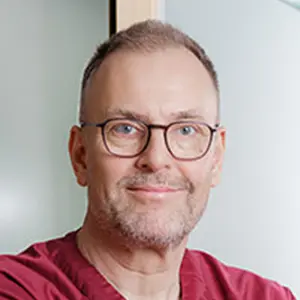
In ski cross, we regularly use the PEMF mat as well as the cooling and compression pants. Our athletes see the benefit and profit from it in their daily training.
We use the PEMF mat, for example, for injuries such as sprains and bruises, to relax the muscles before physical therapy, or before sleeping for active recovery and relaxation.
Our goal is to provide the athletes with a professional environment, and for that we need partners like MTR Equipments. We are very grateful for the support and glad to have MTR backing us.
In ski cross, we regularly use the PEMF mat as well as the cooling and compression pants. Our athletes see the benefit and profit from it in their daily training. We use the PEMF mat, for example, for injuries such as sprains and bruises, to relax the muscles before physical therapy, or before sleeping for active recovery and relaxation. Our goal is to […]
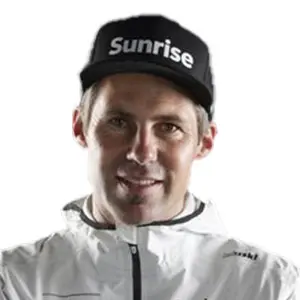
After twelve years with a classic physical therapy table, I wanted an upgrade. In many top spas, I kept coming across Gharieni treatment tables, which is why I really wanted to try these tables out for myself.
At MTR, I was not only able to compare different models, but even bring patients along to test them out. The professional exchange with Olga, the straightforward communication, and the expert support made my decision easy.
Today my patients are thrilled with the comfort of the Gharieni table. The well-thought-out details, such as the headrest, the pleasant padding, and the table heating, make a noticeable difference for me and my patients. Gharieni fulfills all my requirements as a medical massage therapist and equally those of my patients.
After twelve years with a classic physiotherapy table, I wanted an upgrade. In many top spas I kept coming across tables by Gharieni, which is why I really wanted to try these tables out for myself. At MTR, I was not only able to compare different models, but even bring patients along to test them out. The professional exchange with Olga, the straightforward communication […]
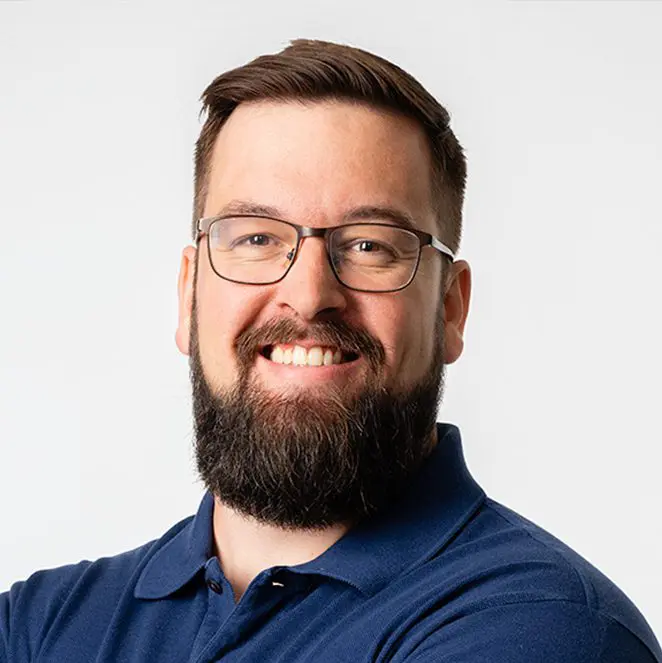
For me, the quality of my work equipment plays a crucial role. As a Swiss Massage Champion, winner of the 2026 European Massage Championship in Paris, and jury member at international massage championships, my standards are correspondingly high.
My clients repeatedly mention how comfortable the Gharieni table is. The versatile adjustment options, easy handling, and high-quality workmanship make my daily work easier while ensuring maximum comfort.
Olga advised me with great professional competence and sincere commitment and accompanied me throughout the entire purchasing process. The delivery was also on time and went smoothly.
Even after a year of intensive use, I am completely satisfied with my decision. The lounger works perfectly and has made my daily work routine much more comfortable.
For me, the quality of my work equipment plays a decisive role. As a Swiss champion in massage, winner of the 2026 European Massage Championship in Paris, and a jury member at international massage championships, my standards are correspondingly high. My clients repeatedly mention how comfortable the Gharieni table is. The versatile adjustment options, easy handling, and high-quality workmanship make […]
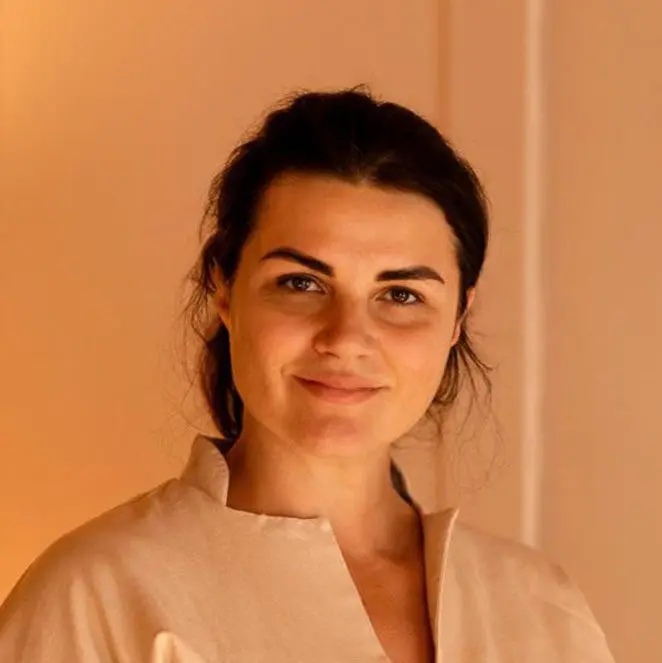
I was already very familiar with MTR Equipments from previous professional activities. When I opened my new cosmetics institute after moving to the Principality of Liechtenstein, it was clear to me that I wanted to rely on quality, competence, and reliability for the equipment. My institute was built from the ground up, furnished to a high standard, and positioned in the upscale segment. Therefore, I consciously decided to realize the furnishings and modern technologies wherever possible with products from MTR – including treatment tables and trolleys from Gharieni, the Satori Neurolounger, and innovative devices such as the Plasma Light Hood and the Stendo Body.
I particularly appreciate the comprehensive advice, the customer-friendly service, and the professional support provided by MTR. I feel very well looked after and can recommend MTR Equipments with conviction.
I was already very familiar with MTR Equipments from previous professional activities. When I opened my new cosmetic institute after moving to the Principality of Liechtenstein, it was clear to me that I wanted to focus on quality, competence, and reliability when it came to outfitting it. My institute was built from the ground up, furnished to a high standard, and positioned in the upscale segment. Therefore […]
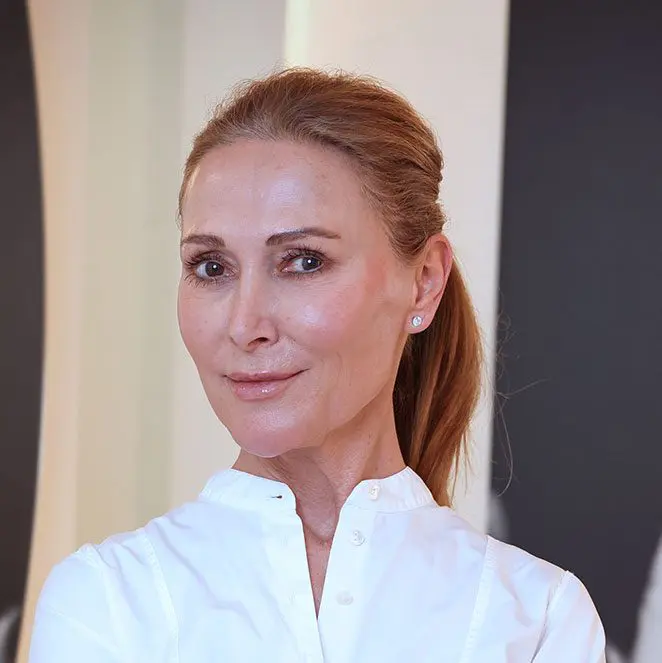
Thanks to the support of MTR Equipments, we can optimally provide our athletes with the right equipment for recovery and competition preparation. This way, our physios are also optimally equipped.
MTR devices are versatile: ranging from rehabilitation and preparation for competitions to intensive regeneration. Efficient regeneration is crucial for us so that our athletes can successfully get through a season.
Thanks to the support of MTR Equipments, we can optimally care for our athletes with the right equipment for recovery and competition preparation. This way, our physios are also ideally equipped. The MTR devices are versatile: from rehab to competition preparation and intensive recovery. Efficient recovery is for us […]
With the MLR Select Alu treatment couch from MTR, we have found the perfect solution for our practice and are completely satisfied. Everything was perfect, from the competent and personal advice to the reliable delivery and the high quality of the couches.
Our patients feel very comfortable and can relax optimally during treatment. At the same time, the treatment tables offer our therapists the best working conditions – they are comfortable, functional, and allow for pleasant work in everyday practice.
We are also particularly enthusiastic about the design: the loungers look sporty and elegant at the same time and blend perfectly into the modern appearance of our practice.
Thank you very much to the entire MTR team for the excellent service. We can wholeheartedly recommend MTR and the MLR Select Alu treatment table.
With the MLR Select Alu treatment table from MTR, we have found the perfect solution for our practice and are completely satisfied. Everything was perfect, from the competent and personal advice to the reliable delivery and the high quality of the tables. Our patients feel very comfortable and can relax optimally during treatment. [...]
The central difference is the Individualization of the laser emission.
THEAL combines three essential levels:
This means that not every patient needs to be treated with the same laser pulse.
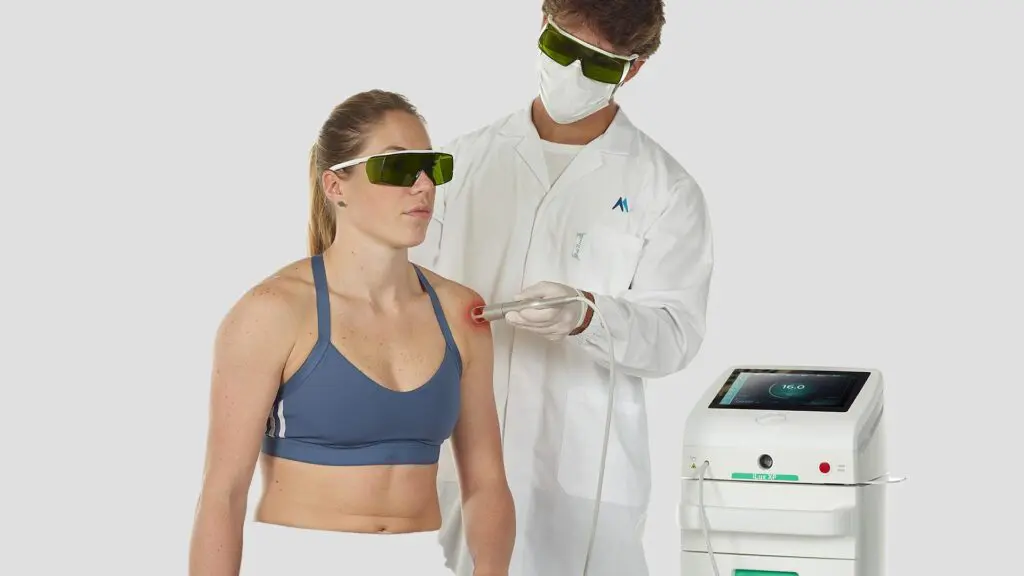
The therapist can adapt the application more closely to the target structure, the patient, and the treatment situation.
THEAL therefore no longer simply sells more laser power – but more control over how that power is used.
Different wavelengths possess different optical properties.
For example, they are absorbed to varying degrees by water, hemoglobin, melanin, and other tissue components.
THEAL therefore enables the combination of multiple wavelengths within a single application.
With the current Ixyon XP, up to six different wavelengths They can be combined and individually configured via the Lambda Wave Creator.
This provides more flexibility than a laser system with a single fixed wavelength.
Laser energy can be modified not only by its power and wavelength.
Also How the energy is released over time, affects the application.
THEAL therefore offers 14 different emission modes – including continuous, pulsed and specially developed modes.
The therapist can thereby select the emission characteristics depending on the treatment situation and the desired physical effect.
An essential component of the technology is the thermische Gewebekontrolle.
During appropriate applications, the system monitors the temperature development in the treated area and takes this into account when delivering energy.
With the optional ScanX module, the automated laser application is also monitored within defined thermal threshold values.
Therefore, especially in the case of high-power laser therapy, it is not only relevant how much energy is emitted.
It is also relevant how the tissue reacts to it.
THEAL is especially interesting where different patients, tissue structures, and musculoskeletal treatment situations occur regularly.
A practice that performs only a few very similar laser applications may not require the full flexibility of the system.
Those who treat different muscle, tendon, joint, spinal or other approved applications can benefit from the broader selection of parameters.
That is exactly why we look at things together before investing:
Because the added value of THEAL does not come from the fact that there are 14 modes listed in the data sheet.
It is created when the therapist can choose the appropriate application for different patients.
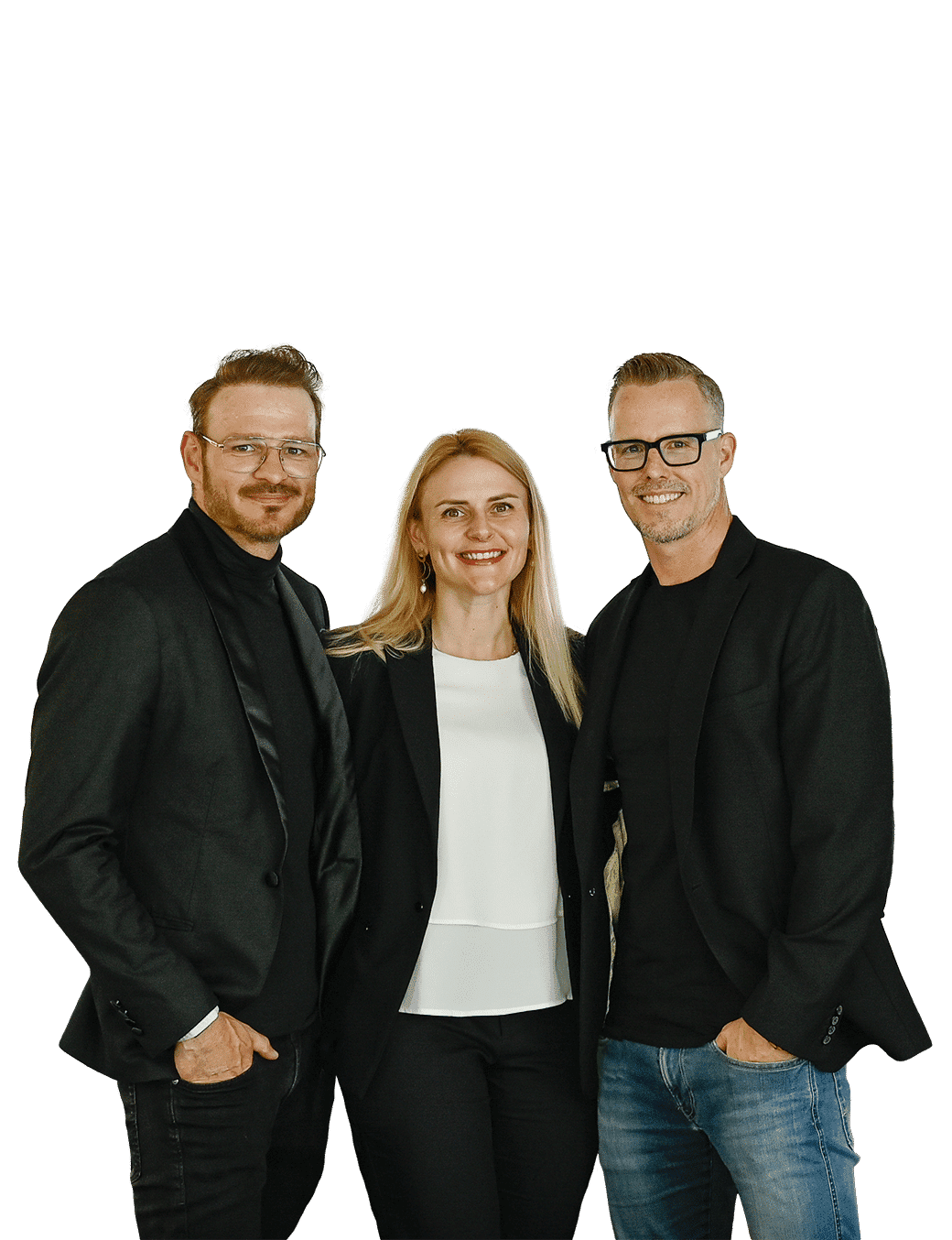
Do you have questions about our technologies, would you like a personal consultation, or would you like to visit our showroom? Our team is happy to help and will work with you to find the right solution. Simply use the contact form, and we will get back to you promptly.
LOG IN
We have sent a 6-digit verification code to your email. Please enter it below to continue.
Register now to easily manage your orders and benefit from additional perks after your first purchase.
We have sent a 6-digit verification code to your email. Please enter it below to continue.
REGISTER NOW
We have sent a 6-digit verification code to your email. Please enter it below to continue.
We have sent a 6-digit verification code to your email. Please enter it below to continue.
We have sent a 6-digit verification code to your email. Please enter it below to continue.
Forgot password